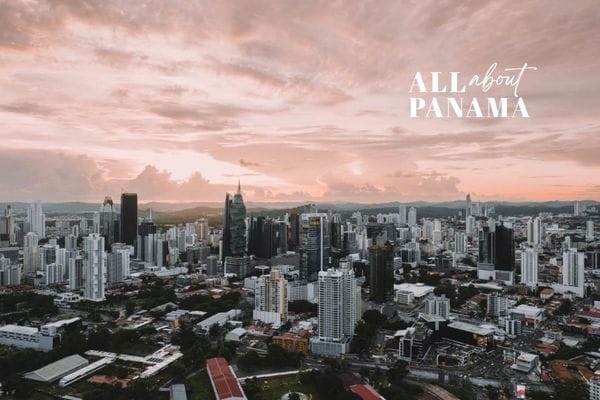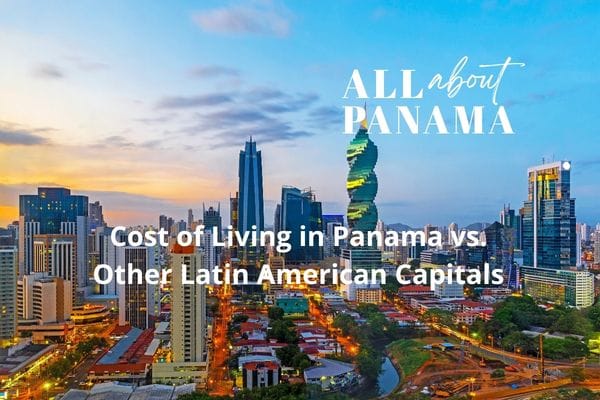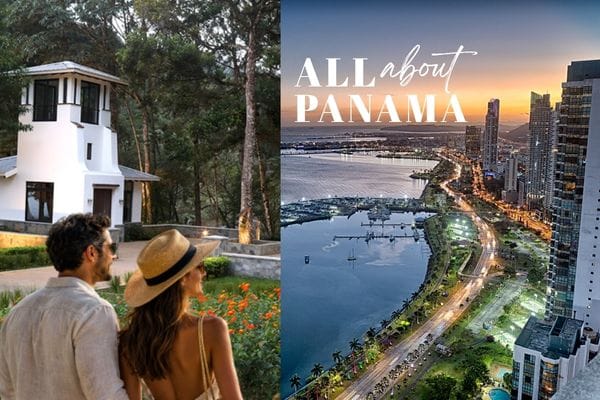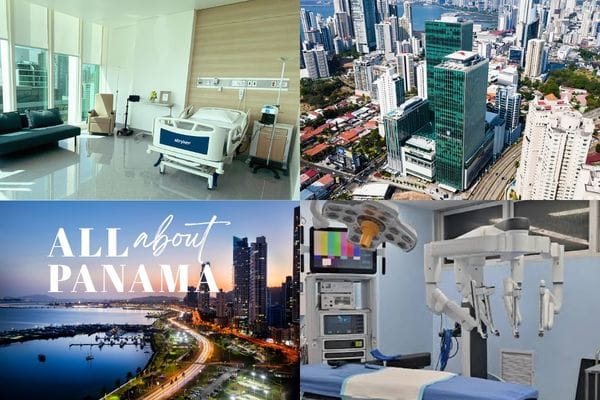
Moving to Panama is a dream for many investors and retirees. However, behind the flashy façade of Punta Pacifica’s skyscrapers and the country’s economic growth, there are realities that can significantly impact your quality of life.
If you are looking for an honest guide on the negative aspects of living in Panama, you’ve come to the right place. Here is a breakdown of the main challenges in 2026.
1. Panama’s Traffic: The Never-Ending “Tranque”
The urban design of Panama City has not kept pace with its population growth. The traffic, known locally as “tranque,” is one of the biggest downsides for residents.
- Extended Peak Hours: Heavy traffic is no longer limited to 8:00 AM and 5:00 PM; it can happen at any time of day.
- Road Infrastructure: Despite the expansion of the Metro lines, secondary streets are often in poor condition, which slows down the flow of vehicles and causes vehicle wear and tear.
2. The Rising Cost of Living
While Panama uses the US Dollar, it is far from a “cheap” country. Global inflation over the last few years has hit the Isthmus hard.
- Utilities: Electricity costs are among the highest in the region, especially if you rely on air conditioning to fight the heat.
- Healthcare and Education: If you are looking for international standards, be prepared to pay fees similar to those in Europe or North America.
3. Extreme Climate and Humidity
If you aren’t a fan of constant heat, living in Panama will be a physical challenge.
- Relative Humidity: It often exceeds 80%. This isn’t just uncomfortable; it requires constant maintenance of homes and cars to prevent mold and mildew.
- The Rainy Season: From May to December, torrential rains can cause flash floods on major avenues and occasional power outages.
4. Bureaucracy and the “Mañana” Rhythm
The administrative system in Panama can be frustrating for those coming from highly efficient or digital-first cultures.
- Immigration Processes: These are often lengthy, require multiple physical visits to government offices, and demand the mandatory (and costly) hire of a lawyer.
- The “Mañana” Culture: The sense of urgency is managed differently here. This can lead to friction when dealing with home repairs, bank issues, or business contracts.
5. Lack of Pedestrian Culture
Panama City was built for cars, not people.
- Non-existent Sidewalks: In many neighborhoods, walking is either dangerous or impossible due to broken pavement or a lack of crossings.
- Noise Pollution: The excessive use of car horns (pito) is part of daily life, making it difficult to find peace in central residential areas.
Conclusion: Is it still worth moving to Panama?
Despite these points, Panama remains a leading destination due to its safety, tax incentives, and global connectivity. The trick is to arrive mentally and financially prepared for these specific challenges.