For investors, diversification has become more than a strategy — it is a necessity.
Rising property prices, market saturation, and economic uncertainty in North America are pushing many investors to explore international real estate markets. One country that continues to stand out is Panama.
But the key question remains:
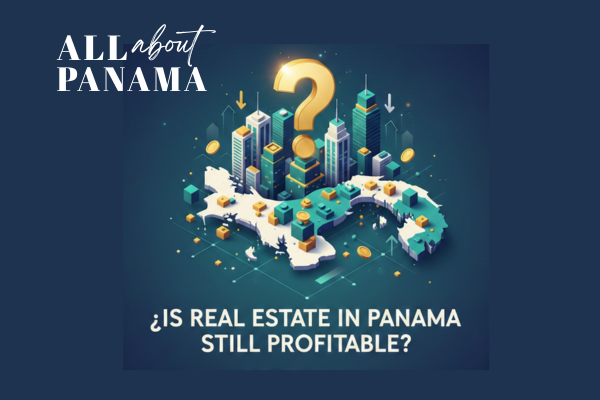
Is real estate in Panama still profitable?
Why Panama Remains on the Radar of International Investors
Panama offers a combination of macroeconomic fundamentals that reduce risk:
- Dollar-based economy (no currency exchange risk for US investors)
- Political stability compared to the region
- Favorable tax policies
- Strong banking infrastructure
- Growing expat and retiree population
For Canadian investors, Panama offers climate, accessibility, and legal clarity in property ownership.
However, profitability is not just about country selection — it is about choosing the right type of property and location.
The Shift in Demand: What Buyers Want Today
In recent years, buyer preferences have changed significantly.
Post‑pandemic trends show increasing demand for:
- Gated communities
- Security and controlled access
- Nature-focused environments
- Cooler climates
- Low-density living
- Communities with long-term planning
Beachfront properties remain popular, but oversupply in certain coastal areas has created pricing pressure.
On the other hand, well-planned mountain communities with limited inventory are gaining attention.
Scarcity and Long-Term Value
One of the most important drivers of profitability in real estate is scarcity.
Communities that control development phases and preserve natural surroundings tend to:
- Protect property values
- Avoid overbuilding
- Maintain exclusivity
- Support steady appreciation
In Panama, certain elevated residential communities near Panama City offer this type of controlled development model, combining infrastructure, security, and natural surroundings.
These characteristics reduce speculative volatility and favor long-term capital growth.
Rental Potential and Dual-Purpose Ownership
Many North American buyers are not only thinking about retirement — they are thinking about flexibility.
A second home in Panama can:
- Serve as a winter residence
- Generate seasonal rental income
- Appreciate over time
- Become a permanent retirement residence
Properties located within established master-planned communities often perform better in rental markets due to security, amenities, and international appeal.
Risk Considerations: What Makes a Community Stable?
When evaluating profitability, investors should assess:
- Infrastructure already built (not promised)
- Road access and utilities
- Community governance
- Security systems
- Distance from Panama City
- Elevation and climate
Communities located approximately 90 minutes from Panama City in mountain regions with year-round spring climate have begun attracting retirees and investors looking for lifestyle + capital preservation.
One example of this type of master-planned mountain community is Altos del María — known for controlled development, international residents, and strong long-term positioning.
Rather than speculative beachfront flipping, this model emphasizes stability and gradual appreciation.
The Bigger Picture: Profitability Beyond Numbers
True profitability includes:
- Capital appreciation
- Income potential
- Asset security
- Lifestyle enhancement
- Exit flexibility
For US and Canadian investors seeking a balanced approach to international real estate, Panama continues to offer compelling fundamentals.
But selecting a community with infrastructure, governance, and scarcity is what ultimately drives sustainable returns.
Final Thoughts
Panama remains profitable — but profitability today is strategic.
The smartest investors are no longer chasing the cheapest land.
They are seeking stability, limited supply, infrastructure, and lifestyle alignment.
For those exploring investment in Panama real estate, understanding where demand is shifting may be the most valuable insight of all.
Healthcare Costs: USA vs. Panama
One of the most relevant decision factors for retirees and lifestyle investors is healthcare affordability.
While the United States offers advanced medical systems, costs continue to rise significantly:
- Average monthly health insurance (retiree private): $600–$1,200+
- Specialist consultation: $200–$500
- MRI scan: $1,000–$3,000
- Hospital overnight stay: $2,000–$4,000 per night
In contrast, Panama offers internationally accredited private hospitals at considerably lower costs:
- Private insurance plans: often 40–60% lower
- Specialist consultation: $50–$120
- MRI scan: $400–$800
- Hospital overnight stay: significantly lower than US averages
Additionally, many physicians are US-trained and bilingual.
For retirees planning long-term relocation, healthcare savings alone can significantly impact retirement sustainability.
When combined with:
- Lower property taxes
- No property tax on certain new constructions
- Dollarized economy
- Lower cost of living
Panama becomes not only a lifestyle decision — but a financial strategy.
Communities within reach of Panama City’s medical infrastructure while offering mountain climate and lower density living are increasingly sought after by wellness-driven buyers.