Panama continues to attract international buyers seeking real estate opportunities in Latin America. Its dollarized economy, international connectivity, infrastructure, and diverse property market offer compelling reasons for foreign investors to consider diversifying their portfolios in the country. However, when evaluating a property, one factor deserves particular attention: construction quality and how buildings perform during natural events.
The earthquake that occurred on October 9, 2026, brought an important question back into focus: how well prepared are Panama’s buildings to withstand seismic activity?
Initial reports highlighted the performance of many structures in Panama City and the continued operation of essential infrastructure following the event. At the same time, damage was reported to buildings, homes, and infrastructure in other parts of the country. These differences demonstrate why structural safety must be assessed on a property-by-property basis, taking into account location, engineering design, construction quality, soil conditions, and maintenance.
For international buyers from the United States, Canada, and other markets, understanding these factors is essential to making informed real estate investment decisions.
1. Panama’s Earthquake and Its Implications for the Real Estate Market
The earthquake of October 9, 2026, with its epicenter in the Azuero region, raised concerns in several communities across Panama. Preliminary reports described damage in interior provinces, while Panama City experienced precautionary evacuations and reports of damage to some buildings.
Despite the event, several essential infrastructure facilities continued operating or resumed operations following temporary interruptions. This provides a relevant starting point for assessing Panama’s resilience, although it does not establish that every building performed equally well.
Initial coverage also highlighted the preliminary performance of numerous modern structures in the capital. Nevertheless, the event reinforces the importance of professional inspections, compliance with structural standards, and ongoing investment in construction quality and maintenance.
For foreign investors, the key takeaway is that Panama has engineering expertise and a structural regulatory framework worth considering when evaluating its real estate market. However, each property must be assessed individually before a purchase decision is made.
2. Structural Building Codes: An Important Foundation for Safety
One positive aspect of Panama’s real estate market is the existence of technical standards governing the structural design of buildings.
The Reglamento para el Diseño Estructural en la República de Panamá, commonly known as REP-2021, establishes technical criteria for structural design under different loads, including seismic forces. Its adoption was formalized through Resolution JTIA 020-2022, and it entered into force in 2023.
This regulatory framework provides technical guidance for engineers and other professionals responsible for structural design and aims to help reduce building vulnerability.
For investors, the existence of structural regulations is a favorable factor because it establishes design criteria beyond a building’s architectural appearance.
However, having regulations in place is not the same as guaranteeing that every building has complied with them. Actual performance also depends on professional qualifications, material selection, construction execution, site supervision, and compliance with applicable requirements.
Before purchasing a property, investors should therefore request information about the building’s construction date, permits, available structural plans, and any technical inspections that have been conducted.
3. Modern Engineering and Its Role in Investor Confidence
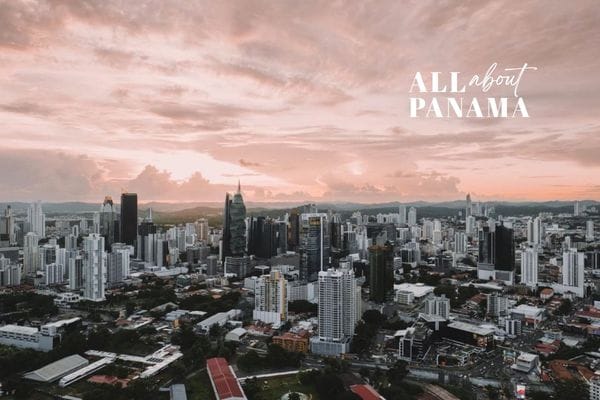
Panama City’s real estate development has transformed the capital’s urban landscape. Residential towers, office buildings, and mixed-use developments reflect the evolution of engineering and construction practices in the country.
Modern structures can incorporate design solutions that account for seismic and wind loads, soil conditions, and the expected behavior of construction materials.
Technical features that may contribute to structural performance include: reinforced concrete or steel structural systems designed according to applicable requirements; foundations selected according to geotechnical studies of the site; structural elements designed to withstand anticipated loads; reinforcement and connection details that help control structural deformation; professional supervision throughout the construction process; and seismic monitoring or instrumentation systems where applicable and required.
These features must be verified for each individual development. It is not appropriate to assume that every new building uses the same systems or that a tower’s height alone determines its earthquake resistance.
From an investment perspective, the priority is to establish whether a property was properly designed, constructed, and maintained, and whether documentation is available to support that assessment.
4. What Does Building Performance During an Earthquake Tell Us?
Observations made during an earthquake can provide valuable information about how structures respond to actual ground movement.
Initial reports following the October 2026 earthquake highlighted that many buildings in Panama City remained standing, without reports of widespread destruction among the capital’s modern buildings. However, damage was also reported to some properties and infrastructure in certain communities outside the capital.
These findings must be interpreted carefully. The ground movement experienced by a building depends on several factors, including its distance from the epicenter, the earthquake’s depth, local geological conditions, and the amplification of seismic waves by the ground. Consequently, the performance of buildings in Panama City cannot automatically be applied to every region of the country.
Furthermore, a building remaining standing does not necessarily mean that it is undamaged or safe to occupy without an inspection. Following an earthquake, damage that is not immediately visible may require professional assessment.
For international buyers, the positive takeaway is not that Panama is free from seismic risk. Rather, the country has engineering capabilities and structural standards that form part of the broader evaluation of its real estate assets.
5. Panama City: Urban Infrastructure and Real Estate Opportunities
Panama City is home to a significant share of the country’s financial, commercial, and corporate activity. Its infrastructure, international connectivity, and diverse residential market make it an important location for many foreign real estate investors.
The capital offers residential buildings of different ages, apartment towers, office complexes, and mixed-use developments. This diversity allows investors to compare properties based on location, construction characteristics, amenities, and rental potential. However, not all properties offer the same level of structural safety, maintenance, or exposure to natural hazards.
When evaluating a property in Panama City, investors should consider: building age — the construction date helps establish which regulations and design standards may have applied; technical documentation — available structural plans, permits, inspection reports, repair records, and maintenance documentation; common-area conditions — accessible structural elements and areas such as parking facilities that may warrant further investigation; building management — an organized property management team supported by maintenance records and adequate funding for repairs; and ground conditions — geotechnical information and site conditions relevant to foundations and location-specific risks.
Considering these factors provides a more reliable basis for evaluating a property than relying solely on its appearance, height, or commercial reputation.
6. What Should Foreign Investors Check Before Buying Property in Panama?
Purchasing property from abroad requires due diligence covering legal, financial, administrative, and technical matters. Following an earthquake, evaluating the physical condition of a building becomes especially important.
Request an independent structural inspection
Hiring a qualified structural engineer to assess a property can help identify visible damage, potential structural concerns, and the need for additional testing. If the property is located in an area affected by the earthquake, confirm whether it has been inspected by the relevant authorities or competent professionals. Do not assume that a building is safe simply because it shows no obvious signs of damage.
Review the property’s documentation
Where available, request structural plans, construction and occupancy permits, inspection reports, repair documentation, and maintenance records. For properties in buildings governed by Panama’s horizontal property regime, it is also advisable to review homeowners’ association meeting minutes, completed repairs, and any approved or anticipated special assessments.
Investigate the location and ground conditions
Earthquakes are not the only natural hazard to consider. Depending on the location, a property may also be exposed to flooding, landslides, poor drainage, or other environmental risks. A location-specific assessment helps investors determine whether the property is suitable for its intended use and whether additional mitigation measures may be necessary.
Confirm insurance coverage
Consult an authorized insurance provider about available coverage, exclusions, deductibles, and conditions relating to earthquake damage and other relevant risks. Not all insurance policies automatically cover every natural event. Investors should review the policy terms in writing and determine whether the coverage is appropriate for a primary residence, rental property, or commercial asset.
Evaluate building management and maintenance
If the property will be rented out, building management and preventive maintenance can also affect its long-term value. Request information about inspections, repairs, building systems, maintenance schedules, and the financial position of the property administration.
An independent technical assessment, combined with legal and financial due diligence, can help reduce uncertainty before investing.
7. Are Newer Buildings Safer Than Older Buildings?
There is no universal answer. Age is a relevant factor, but it is not enough to determine whether a building is structurally safe.
Buildings designed under more recent standards may benefit from updated engineering criteria. However, actual performance also depends on construction quality, ground conditions, subsequent modifications, and maintenance throughout the building’s life.
An older building may still be in good structural condition if it was properly constructed and maintained. Conversely, it may require repairs or strengthening, depending on its characteristics and history.
For investors, the best approach is to evaluate each property on its own merits. Construction date should be the starting point for further investigation, not an automatic guarantee of safety or a reason to reject a property.
8. Resilience and Long-Term Real Estate Value
Real estate resilience is not limited to whether a structure withstands an earthquake. It also involves the ability to maintain, repair, and safely return a property to use when necessary.
For international investors, this can influence several aspects of long-term performance: preservation of property value; maintenance costs and potential extraordinary repairs; rental continuity following an event that affects the building; insurance availability and policy conditions; buyer and tenant demand for well-maintained properties; and quality of property management and technical documentation.
A carefully selected property with a professionally assessed structure and a reasonable maintenance plan can provide a stronger foundation for a long-term investment strategy. Nevertheless, no building is entirely free from risk. Investors should account for maintenance costs, contingencies, and exposure to natural hazards when analyzing potential returns.
9. Panama as a Real Estate Investment Destination: Make Decisions Based on Evidence
Panama offers several characteristics that attract international buyers, including its dollarized economy, international connectivity, business activity, and diverse real estate market.
The October 2026 earthquake highlighted both the capabilities and the challenges of the country’s built environment. The reported performance of many buildings is relevant when evaluating the market, while the damage recorded in other areas reinforces the importance of careful planning and property-specific technical assessments.
Foreign investors should not base their decisions on the assumption that any country is completely safe from earthquakes. The more effective approach is to identify properties with appropriate documentation, qualified professionals, sound construction practices, and responsible maintenance.
Structural safety is one part of real estate due diligence, alongside legal ownership, operating expenses, rental demand, taxation, and exit strategy.
Frequently Asked Questions About Buildings and Earthquake Safety in Panama
Are buildings in Panama designed to withstand earthquakes?
Panama has a structural design code, REP-2021, that includes criteria for seismic loads. However, actual compliance and the current condition of a specific building must be verified individually.
What happened to buildings in Panama City during the October 2026 earthquake?
Initial reports indicated that many structures in the capital remained standing, without reports of widespread destruction among modern buildings. Damage was also reported to some properties. Findings should be interpreted in light of the ground movement experienced in each location and any subsequent technical inspections.
Is it safe to buy an apartment in Panama after the earthquake?
Safety depends on the specific property, its location, design, condition, and inspection results. Before purchasing, consider an independent structural assessment and review the building’s available documentation.
Which structural building code does Panama use?
Panama’s Reglamento para el Diseño Estructural en la República de Panamá, or REP-2021, was adopted through Resolution JTIA 020-2022 and entered into force in April 2023. The requirements applicable to a particular building depend on factors including its design and construction dates.
What should foreign buyers review before investing in Panama real estate?
In addition to title and legal documentation, investors should review available permits, structural condition, maintenance records, ground conditions, insurance coverage, management expenses, and rental demand.
Is Panama free from earthquake risk?
No. Panama can experience earthquakes and other natural hazards. Structural standards and qualified professionals help manage these risks, but they cannot eliminate them.
Conclusion: Investing With Confidence Starts With Reliable Information
The reported performance of numerous buildings during the October 2026 earthquake provides an opportunity to recognize the importance of structural engineering and technical standards in Panama. At the same time, damage reported in several communities demonstrates why preparedness, professional oversight, and ongoing maintenance remain essential.
For international investors, Panama continues to offer real estate opportunities worth evaluating with a long-term perspective. A sound investment decision combines the market’s potential with an independent property assessment, careful legal due diligence, and a financial strategy that accounts for risk.
At All About Panamá, we believe that successful investing begins with understanding the country, knowing the market, and making informed decisions.
Discover more about living, investing, and buying property in Panama at allaboutpanama.info.
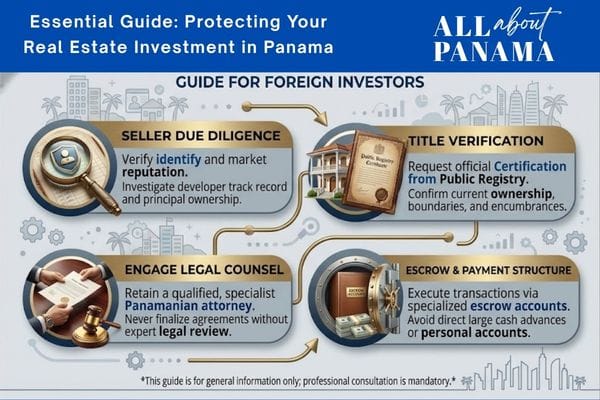
Related reading: Essential Guide: How to Protect Your Real Estate Investment in Panama and Buying Property in Panama to Earn Rental Income.
Disclaimer: This article is for general informational purposes only. It is not a structural safety certification, engineering inspection, or financial or legal recommendation. The condition of each property should be verified by qualified professionals. Information about the earthquake reflects preliminary reports and may change as further official assessments become available.
Looking for a well-engineered property in a planned community? Explore Altos del María, a mountain development built with modern construction standards, an hour from Panama City.