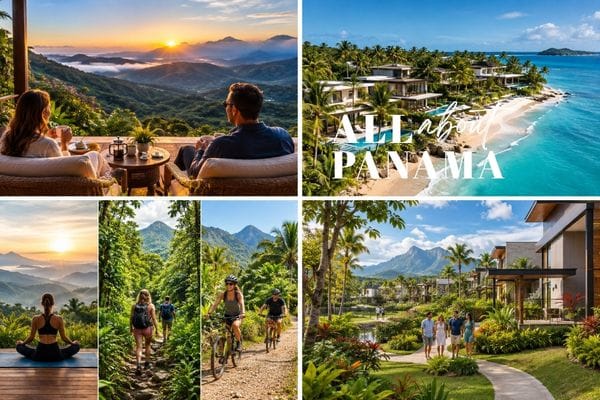
For many North Americans approaching retirement, choosing where to spend the next chapter of life involves much more than finding a place with warm weather. It means evaluating the cost of living, access to healthcare, residency options, housing, personal safety, and the ability to maintain a comfortable lifestyle over the long term.
Panama has become an option worth considering for Americans and Canadians exploring retirement abroad. Its use of the US dollar as its official currency, international air connections, established urban infrastructure, tropical environment, and dedicated immigration pathway for qualifying pensioners make it an interesting destination for people considering an international move. But is Panama a good place to retire in 2026? The answer depends on your retirement income, healthcare needs, preferred lifestyle, housing expectations, and long-term plans. Panama may be a strong fit for some retirees, while others may discover that another destination better matches their priorities.
1. Why Are Retirees Considering Panama?
Panama offers a combination of practical advantages that can appeal to people looking for a retirement destination outside the United States or Canada.
A dollar-based economy
Panama uses the US dollar in everyday transactions alongside its national currency, the balboa, which is maintained at parity with the dollar. For retirees receiving pensions or investment income in US dollars, this can simplify everyday budgeting and reduce the need to exchange currencies for routine expenses. However, dollarization does not mean that living costs are automatically lower. Housing, imported products, private healthcare, dining, and other expenses can vary considerably depending on where and how you live.
International connectivity
Panama City is an important regional aviation hub, making it practical for retirees who want to maintain connections with family, visit their home countries, or travel internationally. The value of this connectivity depends on your preferred routes, flight schedules, and travel budget, but it can be an important consideration when choosing a retirement destination.
Different lifestyle options
Panama offers several distinct residential environments. Retirees can choose an urban lifestyle with access to professional services, a quieter mountain community, a beach-oriented setting, or a smaller town with a more local atmosphere. These options provide flexibility, but they also come with different levels of access to hospitals, supermarkets, transportation, and other services.
A retirement-specific residency pathway
Panama has a permanent residence category for qualifying foreign retirees and pensioners. According to the National Migration Service, applicants must receive a qualifying pension from a foreign government, international organization, or private company and demonstrate sufficient means to cover their living expenses and those of their dependents. Eligibility and documentation should be confirmed with the relevant authorities and qualified immigration counsel before making relocation plans. Official resource: Panama National Migration Service.
2. Cost of Living in Panama: What Should Retirees Expect?
The cost of living is one of the most important considerations when planning to retire abroad. Panama should not automatically be treated as a low-cost destination. Some expenses may be lower than those in major North American cities, while other categories—particularly housing in desirable urban neighborhoods—can represent a significant share of a retiree’s budget. Your total expenses will depend on whether you rent or purchase a home, the neighborhood or region where you choose to live, whether you use public or private healthcare, how frequently you dine out or travel, whether you own a vehicle, your insurance coverage, and your preferred level of comfort and discretionary spending. For a deeper comparison, see our guide to the cost of living in Panama vs. other Latin American capitals.
Housing: One of the biggest budget decisions
Housing can be one of the largest expenses for retirees moving to Panama. In Panama City, rental prices vary by neighborhood, building, apartment size, amenities, and proximity to business districts, shopping, and the waterfront. High-demand locations can be considerably more expensive than smaller cities or less central areas. Retirees considering Panama should compare the full cost of housing rather than looking only at the advertised monthly rent — for renters that means checking deposits, utilities, building fees, lease terms, and potential rent increases; for buyers it means evaluating the purchase price, closing expenses, maintenance, property taxes, insurance, and condominium fees.
Groceries, dining, and everyday expenses
Food costs depend on shopping habits and product preferences. Buying locally available produce and products can help control expenses, while imported brands and specialty products may cost more. Restaurant spending also varies significantly, and transportation is another variable — living close to essential services may reduce the need for a personal vehicle, while a home in a more remote community could make driving more practical or necessary.
Build a personalized retirement budget
Before relocating, prepare a monthly budget based on your actual lifestyle rather than relying on a single average cost-of-living figure. Include housing, food, utilities, transportation, healthcare, insurance, entertainment, travel, and an emergency reserve. If you plan to purchase a property, evaluate your initial investment separately from your recurring monthly expenses. For comparisons between cities, Numbeo can provide a useful starting point, though its figures are based on user-contributed data and should be treated as indicative rather than a representative survey.
3. Healthcare in Panama: What Foreign Retirees Should Know
Healthcare is often one of the most important factors when choosing where to retire. Panama has public and private healthcare providers, with the availability of services varying by location and facility. Panama City offers access to a broader concentration of medical specialists and healthcare facilities than many smaller communities. However, retirees should evaluate their specific medical needs before choosing where to live.
Public and private healthcare
The Caja de Seguro Social (CSS) provides healthcare benefits to eligible members under its applicable rules. Access should not be assumed simply because a foreign retiree resides in Panama — see the CSS’s official information at Caja de Seguro Social. Private healthcare is another option that some foreign residents consider. Before relocating, compare health insurance policies, premiums, deductibles, exclusions, prescription coverage, waiting periods, and the availability of providers in your intended location. If you have a pre-existing condition or require ongoing specialist treatment, confirm that the relevant services and medications will be accessible and affordable before committing to a move.
Questions to ask before relocating
Which hospitals and specialists are accessible from your preferred neighborhood? Does your insurance cover treatment in Panama? Are pre-existing conditions covered? What are the out-of-pocket costs for consultations, tests, and prescriptions? Is emergency care readily accessible from your intended home? Will you need to travel to Panama City for specialized treatment? A location that looks attractive on paper may not be the best choice if it creates difficulties accessing essential healthcare.
4. Where Should You Retire in Panama?
There is no single best place to retire in Panama. The right location depends on your preferred pace of life, budget, medical needs, and housing plans.
Panama City: Urban convenience and connectivity
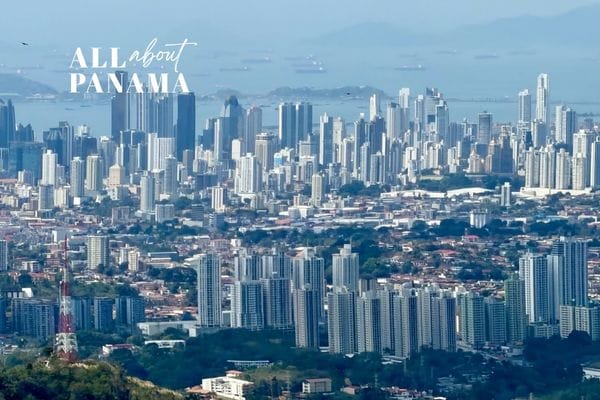
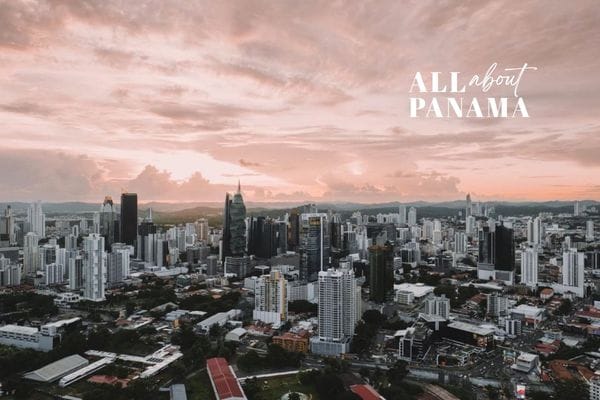
Panama City is worth considering if you want access to restaurants, shopping, professional services, international flights, and a broad selection of residential properties. The trade-offs include traffic, a more urban environment, and potentially higher housing costs in popular neighborhoods.
Coronado and the Pacific beach communities
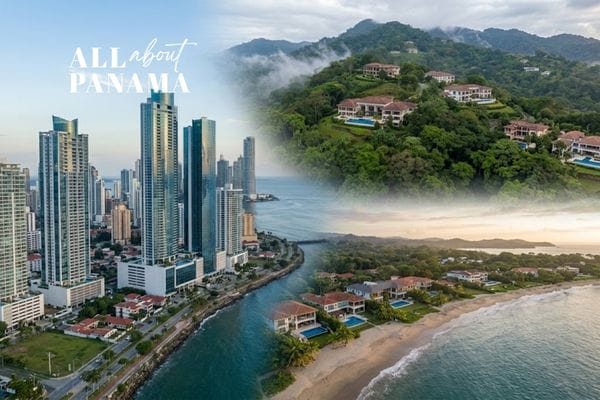
The Pacific coast offers residential communities that may appeal to retirees seeking beach access and a quieter atmosphere than the capital. Before choosing a coastal property, evaluate access to hospitals, supermarkets, reliable transportation, property maintenance, and the availability of services throughout the year.
Boquete: Mountain living
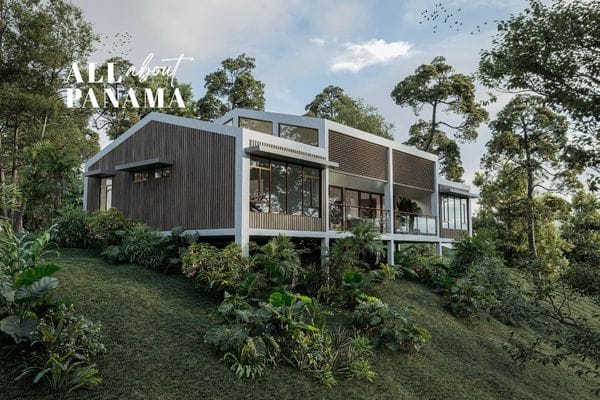
Boquete, in Chiriquí Province, is known for its cooler mountain climate and green landscapes. It can appeal to retirees who prefer a smaller community and outdoor activities over a large-city environment. Prospective residents should assess their access to healthcare, transportation, shopping, and other services, particularly if they expect to need frequent specialist appointments.
Other towns and residential areas
Panama also has smaller towns and other residential communities with different costs, climates, and lifestyles. Rather than selecting a location based solely on online recommendations, consider spending time in several areas before deciding where to establish your retirement home.
5. Retirement Residency in Panama: Understanding Your Options
Immigration requirements are a critical part of retirement planning. Panama provides a permanent residence pathway specifically for qualifying foreign retirees and pensioners. The exact requirements, supporting documents, and application procedures should be verified before you apply. Before proceeding, confirm whether your pension qualifies, the required documentation and whether it must be certified or authenticated, the documents required from your country of origin, the rules for including eligible dependents, whether you need to appoint a Panamanian attorney, and the current application costs and procedures. You can consult the official National Migration Service and the government’s Panamá Digital portal. A qualified immigration lawyer can help you determine which category applies to your circumstances. Important: immigration rules and procedures can change. Do not make a property purchase or relocate based solely on an assumption that you will qualify for a particular residence permit. For a broader look at other pathways, see our guide to Panama’s residency options for foreigners.
6. Should You Rent or Buy a Property When Retiring in Panama?
Your housing decision can have a major effect on both your retirement budget and your flexibility. Renting and buying can each make sense, depending on your finances, expected length of stay, and personal goals.
Renting: Flexibility before commitment
Renting can be a practical first step for retirees who have not yet decided where they want to settle. It allows you to explore neighborhoods, understand local expenses, and experience daily life before making a long-term property commitment. Renting can also reduce the responsibility associated with property ownership, although tenants should still review lease terms and recurring costs carefully.
Buying: A longer-term housing decision
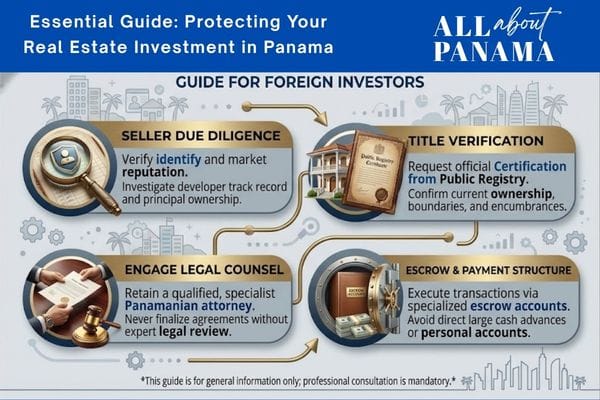
Purchasing a home may appeal to retirees who expect to remain in Panama for many years and want greater control over their living arrangements. However, property ownership involves more than the purchase price. Buyers should evaluate legal title, the property’s condition, ongoing maintenance, insurance, taxes, condominium fees, and resale considerations. Foreign buyers should also understand the legal documentation and transaction process before transferring funds — see our guide on protecting your real estate investment in Panama for the key due-diligence steps.
A practical approach for future retirees
For many people considering an international move, a sensible starting point is to rent while evaluating the country and then consider buying once their preferred location and long-term plans are clearer. This is not the right approach for everyone, but it can help reduce the risk of making a large financial commitment before understanding the local market. If you are considering a property purchase, consult independent legal and financial professionals before signing a contract.
7. Lifestyle in Panama: Climate, Culture, and Daily Life
Retirement is not just a financial decision. It is also about how you want to spend your time. Panama offers a tropical climate, access to beaches and mountains, a mix of urban and traditional communities, and opportunities to explore local culture.
Climate and outdoor activities
Warm temperatures are part of everyday life in much of Panama, although conditions vary by elevation and region, and the country has distinct wet and dry seasons. Retirees should consider how they feel about humidity, rainfall, air conditioning, and the practical requirements of living in a tropical environment. Outdoor activities can include walking, swimming, boating, hiking, golf, and other recreational pursuits, depending on where you live.
Culture and community
Panama’s culture reflects a blend of influences, with differences between the capital, coastal areas, mountain towns, and smaller communities. Some retirees may prefer an established international community, while others may want to integrate more closely into local life. Learning Spanish can make everyday activities easier and support deeper connections with neighbors and service providers.
Travel and family connections
For retirees who expect regular visits from family members or frequent travel to North America, flight availability and airport access may influence the choice of location. Consider the full travel time and cost from your intended home, not simply the distance to an airport.
8. Is Panama Safe for Retirees?
Safety deserves careful consideration when moving to another country. Conditions vary by neighborhood, city, and region, so it is not accurate to assume that every part of Panama offers the same level of security. Before choosing a home, research the specific area, visit at different times of day, and speak with residents about everyday concerns. Evaluate building security, pedestrian conditions, transportation, emergency services, and access to essential facilities. Retirees should also take standard precautions with personal belongings, financial information, and online transactions. The goal is not to eliminate every possible risk, but to make a well-informed decision based on the specific community where you intend to live.
9. Financial Planning Before Retiring in Panama
Moving abroad can affect your finances in ways that extend beyond your monthly budget. Before relocating, consider how your retirement income, taxes, insurance, investments, and estate planning will work across jurisdictions.
Review your retirement income
Calculate your expected pension and investment income, taking into account currency, transfer fees, healthcare expenses, and possible changes in your spending needs. Allow for unexpected costs and fluctuations in your personal circumstances.
Understand tax obligations
Do not assume that moving to Panama automatically eliminates your tax obligations in the United States, Canada, or another country. Your tax treatment will depend on your citizenship, tax residency, income sources, and the laws that apply to your circumstances. Consult qualified tax professionals familiar with the relevant jurisdictions before making decisions about residency or investments.
Keep an emergency reserve
An emergency fund can help cover medical expenses, urgent travel, unexpected repairs, or other unplanned costs. It is particularly important when moving to a new country, where you may initially have limited knowledge of local service providers and procedures.
10. Who Is Panama Best Suited For?
Panama may be worth exploring if you receive a stable retirement income and want to evaluate living abroad, prefer a dollar-based economy, want access to an international airport, are comfortable with a tropical climate, want to compare urban, coastal, and mountain lifestyles, and are prepared to research healthcare, immigration, housing, and tax considerations before relocating. It may be less suitable for people whose priorities require a specific healthcare service unavailable near their intended home, who strongly prefer a cooler climate, or who expect all living expenses to be substantially lower than in North America. The most effective way to evaluate Panama is to compare your actual needs with the practical conditions in the locations you are considering.
11. How to Prepare for Retirement in Panama: A Practical Checklist
- Define your budget. Calculate your expected monthly income and expenses, including housing, healthcare, insurance, transportation, food, travel, and emergencies.
- Research immigration requirements. Confirm whether you qualify for a retirement-related residence category and identify the documentation you will need.
- Evaluate healthcare. Research hospitals, specialists, insurance options, prescription availability, and out-of-pocket costs in your preferred locations.
- Compare residential areas. Consider Panama City, Pacific coast communities, Boquete, and other towns based on your lifestyle and practical needs.
- Visit before committing. If possible, spend time in your preferred areas and experience daily life outside the usual tourist itinerary.
- Review your finances and taxes. Consult qualified professionals in the relevant countries before making decisions that could affect your retirement income or assets.
- Make your housing decision carefully. Compare renting and buying, and seek independent legal advice before signing a property contract.
Following these steps can help you make a more informed decision and reduce the likelihood of unexpected difficulties after moving.
Frequently Asked Questions About Retiring in Panama
Is Panama a good place to retire in 2026?
Panama may be a good retirement destination for people who value a dollar-based economy, international connectivity, tropical living, and a range of residential environments. Whether it is right for you depends on your budget, healthcare requirements, preferred lifestyle, and immigration eligibility.
How much money do you need to retire in Panama?
There is no single budget that applies to every retiree. Your expenses will depend on housing, location, healthcare, insurance, transportation, and lifestyle. Prepare a personalized budget using current rental listings, actual insurance quotes, and realistic estimates for your intended area.
Can US citizens retire in Panama?
US citizens may be eligible to apply for a qualifying retirement-related residence permit if they meet the applicable requirements. Eligibility is not automatic, and applicants should confirm the current rules and documentation with Panama’s immigration authorities or qualified legal counsel.
Can Canadian citizens retire in Panama?
Canadian citizens can explore Panama’s applicable residence pathways, including the category for qualifying pensioners. The relevant eligibility requirements and supporting documents must be confirmed before applying.
Is healthcare available to foreign retirees in Panama?
Panama has public and private healthcare providers, but access and costs depend on eligibility, insurance coverage, location, and the services required. Foreign retirees should verify their options rather than assume that residency automatically provides access to a particular healthcare program.
Is it better to rent or buy when retiring in Panama?
Renting can provide flexibility while you explore the country and compare neighborhoods. Buying may be appropriate for someone who plans to remain long term and has evaluated the property’s total ownership costs. The best decision depends on your finances, plans, and the specific property.
Where do many foreign retirees consider living in Panama?
Options include Panama City, Pacific coast communities such as Coronado, and mountain destinations such as Boquete. Each offers a different combination of climate, amenities, housing costs, transportation, and healthcare access.
Do you need to speak Spanish to retire in Panama?
Spanish is the country’s official language and is useful for daily life, dealing with service providers, and building relationships within the local community. English may be spoken in some international business and residential settings, but learning Spanish can make relocation easier.
Conclusion: Is Panama the Right Retirement Destination for You?
Retiring abroad is a major life decision, and Panama deserves to be evaluated through more than attractive scenery or general claims about affordability. Its dollar-based economy, international connections, varied residential environments, and retirement-related immigration pathway can make it an appealing option for some North American retirees. At the same time, housing costs, healthcare arrangements, residency requirements, personal safety, and tax considerations require careful research. The best retirement destination is the one that fits your financial circumstances, healthcare needs, lifestyle preferences, and long-term plans. If Panama is on your shortlist, start by comparing the places where you could realistically live, building a detailed budget, and verifying the legal and practical requirements before committing.
Disclaimer: This article is for general informational purposes only and does not constitute immigration, legal, tax, financial, or medical advice. Requirements and conditions can change. Confirm current information with the relevant Panamanian authorities and qualified professionals before making decisions.
Exploring where to spend your retirement in Panama? All About Panamá helps international readers compare the practical considerations of living, retiring, and investing here. Discover Altos del María as one mountain-living option worth evaluating alongside the city and coast.