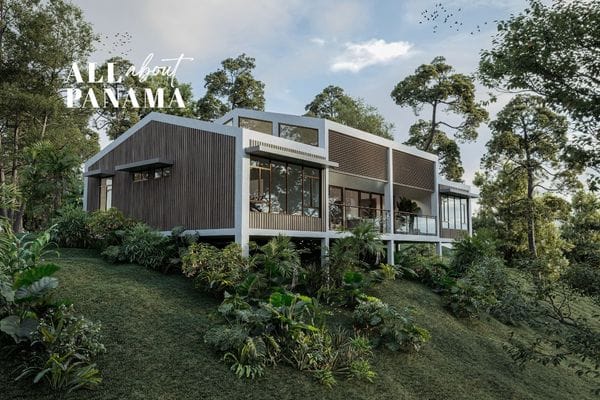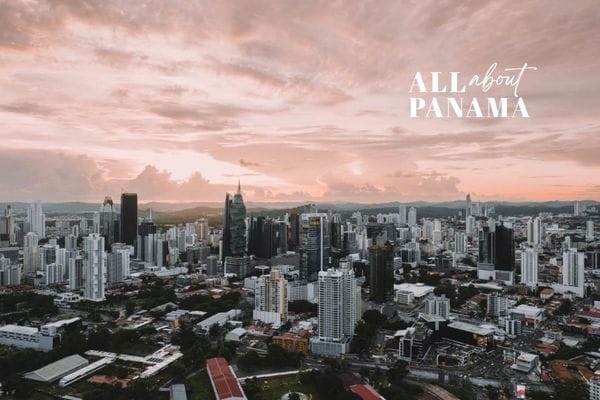
Mountain real estate investment in Panama has moved from a niche interest among retirees to one of the most talked-about opportunities in Central American property markets. Cooler temperatures, lower humidity, and a growing base of North American buyers have turned Panama’s highland towns into a serious alternative to coastal condos and Panama City high-rises. Nowhere is that shift clearer than in Altos del Maria, a planned mountain community roughly an hour from the capital that has quietly become a benchmark for what disciplined, well-managed mountain development can look like in 2026.
Why Investors Are Looking at Panama’s Highlands
Panama City real estate has always attracted attention, but rising density, traffic, and heat have pushed a growing number of foreign buyers toward the country’s mountain corridor. Towns like Boquete, in the western highlands near the Costa Rican border, built this trend over the past two decades with a strong expat community and a mature retiree infrastructure.
What’s changed more recently is proximity. Boquete sits roughly six hours from Panama City, which works for full-time retirees but is inconvenient for investors who want a property close enough to visit on a long weekend or manage as a part-time rental. That gap is a big part of why closer developments near El Valle de Anton and Altos del Maria have picked up momentum among buyers who want mountain living without giving up easy access to the capital.
Comparing Panama’s Mountain Communities
To be fair to buyers doing their own research, it’s worth being honest about the alternatives. Boquete remains genuinely strong on community maturity: it has the largest, most established expat population in the country, along with decades-old infrastructure for healthcare, social clubs, and long-term rentals. For a buyer prioritizing an already-built social scene over travel time, Boquete is a legitimate choice.
El Valle de Anton, closer to the capital, offers a similar cool-climate appeal with a more established (if smaller-scale) residential footprint and weekend-home culture among Panamanian families, which gives it a distinct local flavor.
Altos del Maria’s advantage is less about climate — the highlands share that in common — and more about how the community was planned. It was designed from the outset as a residential and investment project with paved roads, underground utilities, and a homeowners’ association structure, rather than growing organically around an existing town center. That difference matters for investors evaluating long-term maintenance and resale predictability.
Why Altos del Maria Stands Out in 2026
Three factors keep coming up when investors compare Altos del Maria to other mountain options. First, drive time: it sits close enough to Panama City that owners can treat it as a weekend property, not just a full relocation. Second, the master-planned infrastructure reduces the maintenance surprises that can come with buying in older, less regulated hillside developments. Third, the project has built a track record of steady demand from both Panamanian second-home buyers and North American investors, which supports a healthier resale market than a purely expat-driven one.
None of this means Altos del Maria is risk-free — no real estate market is — but it does explain why the community has become a reference point when people search for mountain real estate investment Panama options rather than just a retirement lifestyle. You can review current inventory and pricing directly through the development’s official listings.
Ownership, Legal Security, and ROI Basics
Legal security of title is consistently the top objection foreign buyers raise before investing in Panama, and it deserves a straight answer rather than a sales pitch. Panama allows foreigners to hold titled property with the same rights as Panamanian citizens in most residential developments, and reputable projects register title through the national Public Registry, which any buyer’s attorney can independently verify before closing.
On returns, be skeptical of any number presented without a source. Historical appreciation figures for Altos del Maria and comparable mountain communities vary by lot, phase, and exact location, and specific percentage figures should be treated as placeholders until confirmed against closed sales data or an independent appraisal — not marketing material. What’s reasonably well documented is steady, multi-year demand growth in Panama’s highland corridor, driven largely by North American buyers relocating or diversifying outside the U.S. dollar-denominated stock market while still holding dollar-pegged Panamanian real estate.
For a deeper look at how healthcare access factors into this decision for retirees and part-time residents, see our guide on healthcare options for expats relocating to Panama.
Climate and Lifestyle Drivers Behind the Demand
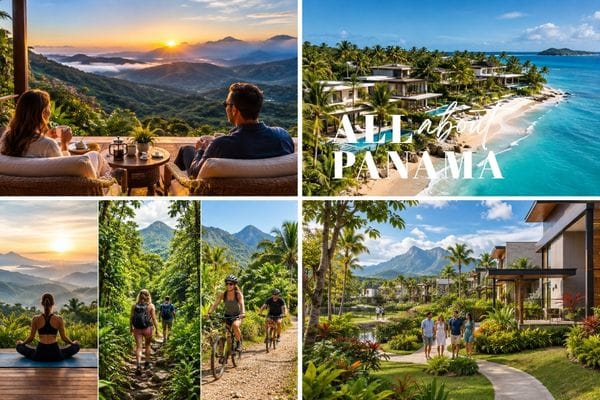
Beyond the numbers, it’s worth understanding why mountain properties command investor interest in the first place. Panama’s highland corridor, generally above 600 meters in elevation, runs several degrees cooler than the coast and Panama City, with lower humidity and a noticeably greener landscape year-round. For North American buyers used to seasonal weather, that combination of cooler temperatures without a true winter is a major draw, and it directly supports rental demand from both long-term residents and short-stay visitors looking to escape the heat.
That climate advantage also feeds back into property values. Homes and lots in well-maintained mountain communities tend to hold demand more consistently than comparable coastal properties, which can see sharper seasonal swings in rental interest. Investors evaluating mountain real estate investment Panama opportunities should weigh this steadier demand pattern alongside any appreciation figures, since consistent occupancy is often a better long-term indicator than headline price growth alone.
Getting Started as a Foreign Buyer
A typical purchase process involves an independent attorney conducting a title search, a reservation deposit, a purchase-sale agreement, and closing through a licensed notary, similar in spirit to a U.S. or Canadian closing but with Panama-specific documentation. Buyers should also budget for property transfer tax and annual property tax, both of which vary depending on the property’s registered value and any applicable exemptions — a topic we cover in more detail in our guide to Panama real estate taxes for foreign buyers.
For official, non-commercial background on foreign investment rules in Panama, the country’s investment promotion agency is a useful starting point: Panama’s national investment promotion agency.
See Current Availability at Altos del Maria
If a master-planned mountain community close to Panama City fits your investment goals, you can browse current lots and homes through Altos del Maria’s listings page.
Frequently Asked Questions
Is mountain real estate investment in Panama open to foreign buyers?
Yes. Foreigners can hold titled property in Panama with largely the same rights as citizens, particularly in registered residential developments. An independent attorney should always verify title before purchase.
How does Altos del Maria compare to Boquete for investors?
Boquete has a larger, more established expat community and is well suited to full-time retirees. Altos del Maria is closer to Panama City and was built as a planned community with modern infrastructure, which appeals more to part-time owners and investors prioritizing drive time.
What is the biggest risk when buying mountain property in Panama?
The most common risks are unclear title history and undocumented infrastructure costs. Both are manageable by working with an independent local attorney and confirming a development’s utilities, road maintenance, and HOA obligations before purchase.
This article is for informational purposes only and does not constitute legal, tax, or financial advice.